Simulated Audience Testing: Methods, Policies, and Best Practices
Imagine being able to test how your audience will react to a marketing campaign, product launch, or content strategy before spending thousands of dollars on real-world deployment
Simulated audience testing makes this possible by using AI-powered virtual audiences to predict human behavior and engagement patterns.
This technology allows companies to run cost-effective experiments with synthetic personas that mirror their target demographics.
Simulated audience testing uses artificial intelligence to create virtual populations that can predict how real people will respond to content, products, or campaigns without the need for expensive focus groups or surveys. The process involves creating detailed personas with specific attributes like demographics, preferences, and behavioral tendencies, then testing various scenarios to generate insights about potential audience reactions.
Modern businesses are turning to this approach to reduce risk and improve decision-making across marketing, product development, and content creation. By testing with virtual audiences first, organizations can identify which strategies will likely succeed and which might fail.
Key Takeaways
AI-powered simulated audiences can predict engagement and reactions before launching real campaigns or products
Virtual testing reduces costs and risks by identifying successful strategies through synthetic persona interactions
Organizations use simulated audience data to optimize marketing messages, product features, and content strategies
What Is Simulated Audience Testing?
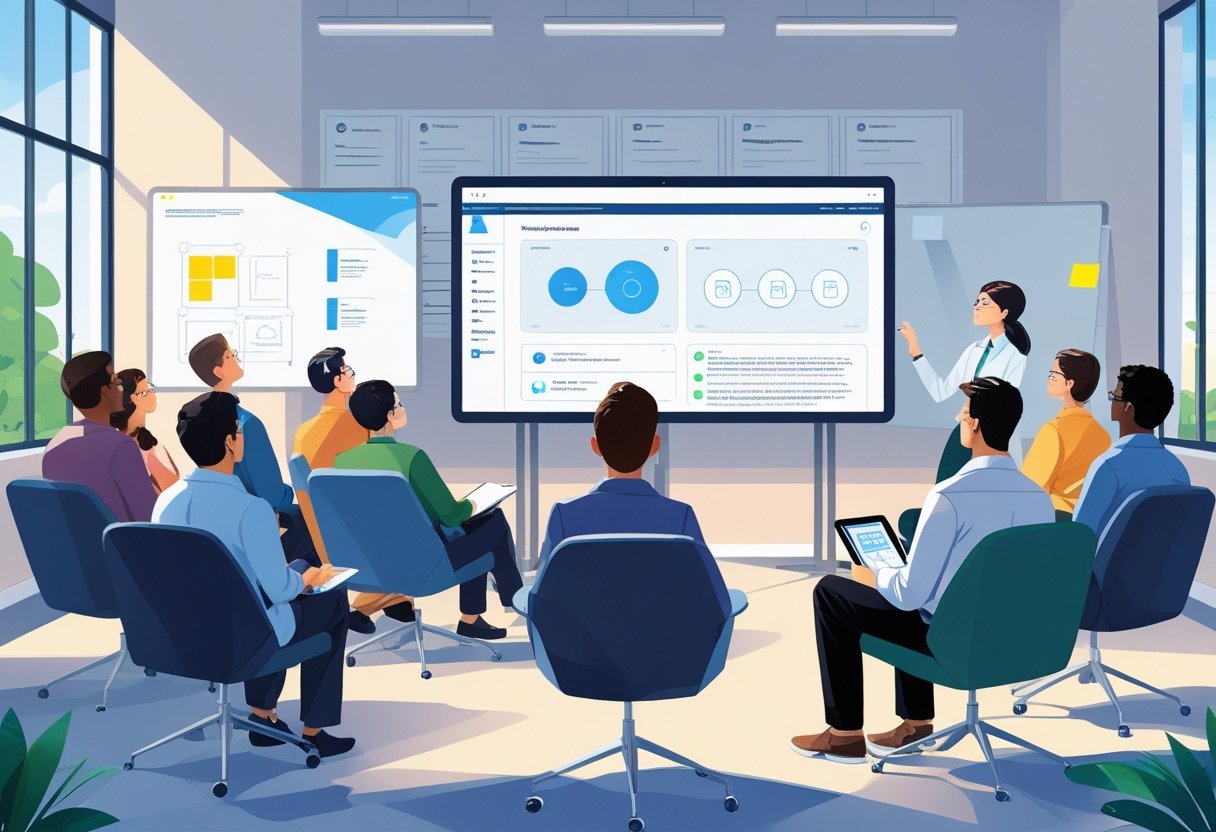
Simulated audience testing uses AI technology to create virtual groups that represent real target audiences. This method allows companies to test messages, ads, and strategies without needing actual people.
Definition and Purpose
Simulated audience testing creates digital replicas of specific customer groups using artificial intelligence. These virtual audiences respond to questions and scenarios based on real-world data.
The AI builds these personas using information from surveys, social media, government data, and academic research. No personal information from real people gets used in the process.
Companies use these simulated groups to test ideas before launching them. This helps them understand how different audiences might react to their messages or products.
The main goal is to get quick feedback without spending time and money on traditional focus groups. Teams can test multiple scenarios and make changes faster.
Key Benefits Over Traditional Approaches
Speed and Cost Savings
Tests complete in hours instead of weeks
No need to recruit real participants
Lower costs than in-person focus groups
Privacy Protection
All data stays anonymous by design. The system uses only aggregated information with no links to real individuals.
Flexible Testing
Teams can test different "what if" scenarios easily. They can adjust messages and see how various audience segments might respond.
Better Resource Planning
Results help companies focus their real engagement efforts on the right people and topics. This makes face-to-face meetings more effective.
Typical Use Cases
Marketing and Advertising
Brands test campaign slogans, images, and product positioning before major launches. They compare how different virtual audience groups respond to various approaches.
Message Testing
Organizations check how well their communications work with different communities. They can spot potential problems early in the process.
Strategic Decision Making
Companies use simulated audiences to pressure test business decisions. They explore how different customer segments might react to new policies or changes.
Niche Group Analysis
Teams can test ideas with specific hard-to-reach audiences without the challenge of finding these groups in real life.
Role of Audience Simulation
Audience simulation acts as a bridge between initial ideas and real-world testing. It helps teams identify which concepts deserve further investment and development.
The technology works best when combined with traditional research methods. Simulated audiences reveal important issues that need deeper exploration through actual human engagement.
Teams use audience simulation tests to refine their strategies before moving to more expensive testing phases. This approach reduces waste and improves final outcomes.
Core Components of Engagement Policy Evaluation
Engagement policy evaluation relies on three main filtering stages that determine which customers receive specific offers. Each stage uses different conditions to narrow down the audience and ensure relevant targeting.
Overview of Engagement Policies
Engagement policies serve as the foundation for customer targeting in decision systems. They define rules that determine which offers reach which customers at specific times.
These policies work through a filtering process. They start with a broad customer base and apply multiple conditions to create targeted audiences.
Key Policy Functions:
Filter customer populations based on business rules
Control offer timing and frequency
Ensure regulatory compliance
Optimize customer experience
Engagement policies operate at two levels: group-level and action-level. Group-level policies apply to entire product categories. Action-level policies target specific offers within those categories.
The filtering process follows a specific order. Eligibility conditions run first, followed by applicability conditions, then suitability conditions.
Eligibility Conditions and Criteria
Eligibility conditions determine the basic requirements customers must meet to receive any offer. These form the first filter in the engagement policy evaluation process.
Common eligibility criteria include customer demographics, account status, and regulatory requirements. For example, credit card offers might require customers to be over 18 years old with active accounts.
Typical Eligibility Factors:
Age requirements
Geographic location
Account status
Product ownership
Credit score thresholds
Eligibility conditions apply at both group and action levels. Group-level conditions affect entire product categories. Action-level conditions target specific offers within those groups.
These conditions typically filter out the largest number of customers. They establish the baseline qualified audience for further evaluation.
Applicability Conditions
Applicability conditions determine when and how offers should be presented to eligible customers. These conditions focus on timing, channel preferences, and business constraints.
Unlike eligibility conditions, applicability conditions may not always filter customers. They often control offer presentation rather than customer qualification.
Common Applicability Rules:
Time-based restrictions
Channel availability
Inventory levels
Campaign budgets
Contact frequency limits
Applicability conditions help manage business resources. They prevent over-communication and ensure offers appear through appropriate channels.
These conditions can change dynamically based on real-time factors. Campaign budgets or inventory levels might affect which customers see certain offers during evaluation.
Suitability Conditions
Suitability conditions provide the final filtering stage in engagement policy evaluation. They ensure offers match individual customer needs and preferences.
These conditions use customer behavior data and predictive models. They assess likelihood of acceptance and potential value for both customer and business.
Suitability Assessment Areas:
Purchase history analysis
Behavioral patterns
Propensity scores
Customer preferences
Risk assessments
Suitability conditions typically operate at the action level rather than group level. Each specific offer has unique suitability requirements based on its characteristics.
These conditions create the most personalized filtering stage. They transform eligible customers into qualified prospects for specific actions.
The suitability evaluation often uses complex algorithms. These may include machine learning models that predict customer responses to different offers.
Simulated Audience Testing Process and Workflow
The simulated audience testing process follows three main steps: selecting and setting up the target audience simulation, applying specific engagement policies to test different scenarios, and filtering results through each stage of the testing funnel.
Audience Selection and Simulation Setup
Organizations begin by creating or selecting existing audience simulations that match their target demographics. The simulation setup involves defining specific audience characteristics and behaviors that mirror real customer groups.
Teams can choose from pre-built simulation models or create custom ones. Each simulation captures key audience traits like preferences, buying patterns, and response behaviors.
The setup process requires defining eligibility conditions that determine which audience members qualify for testing. These conditions filter the simulated audience based on age, location, interests, or previous interactions.
Applicability conditions further refine the audience by specifying when certain tests should run. For example, seasonal campaigns might only apply to audiences during specific months.
Suitability conditions ensure the simulated audience matches the intended test parameters. This final layer confirms that the audience simulation accurately represents the target market for meaningful results.
Applying Engagement Policies
Engagement policies define how the simulated audience interacts with test content. These policies set rules for response rates, click behaviors, and conversion patterns based on audience characteristics.
Testing teams configure multiple engagement policies to explore different scenarios. One policy might simulate high engagement rates while another tests low response conditions.
The system applies these policies consistently across all simulation runs. This ensures reliable comparisons between different test variations and audience segments.
Engagement policies can be adjusted during testing to explore "what if" scenarios. Teams often test how audiences might respond to different messaging approaches or timing strategies.
Funnel Filtration at Each Stage
Funnel filtration tracks how the simulated audience moves through each testing stage. The process filters participants based on their responses and behaviors at every step.
The first filtration stage removes audience members who don't meet initial engagement criteria. Subsequent stages filter based on deeper interactions like content views or click-through actions.
Each filtration point provides data on audience drop-off rates and engagement patterns. This information helps teams identify where real audiences might lose interest or disengage.
The final filtration stage measures conversion rates and desired outcomes. Teams use this data to predict how real campaigns might perform with actual audiences.
Applications, Insights, and Optimization Strategies
Simulated audience testing delivers measurable value through predictive campaign insights and creative optimization across multiple industries. These applications help marketers reduce risk and improve performance before launching real campaigns.
Predictive Insights for Campaign Performance
Audience simulation provides data-driven predictions about how campaigns will perform with target audiences. Companies can test multiple creative variations and messaging approaches without spending actual ad budgets.
Key Performance Indicators that simulated testing predicts include:
Click-through rates
Conversion likelihood
Engagement metrics
Brand perception changes
The technology uses machine learning to analyze audience behavior patterns. It creates virtual representations of real customers based on demographic and behavioral data.
Constraints exist in the accuracy of predictions. Simulated results may not perfectly match real-world performance due to external factors like market conditions or competitor actions.
Applicability conditions work best when companies have sufficient historical audience data. The simulation needs quality input data to generate reliable predictions.
Testing multiple audience segments simultaneously reveals which groups respond best to specific messages. This insight helps allocate marketing budgets more effectively across different customer segments.
Creative and Offer Optimization
Simulated audience testing optimizes creative elements before campaigns launch. Marketers can test different headlines, images, call-to-action buttons, and offer structures.
Creative Testing Elements include:
Headlines and copy - Different messaging approaches
Visual elements - Images, colors, and layouts
Call-to-action wording - Button text and placement
Offer structures - Discounts, bundles, and pricing
The simulation reveals which creative combinations generate the strongest audience response. Companies avoid the cost and time of testing these elements with real paid campaigns.
Suitability conditions apply when businesses need to choose between multiple creative options. The testing works well for companies with diverse product offerings or varied customer segments.
Offer optimization through simulation helps determine optimal pricing strategies. Businesses can test different discount levels and promotional structures to maximize conversion rates.
Practical Examples Across Industries
E-commerce companies use simulated audience testing to optimize product launches. They test different product descriptions and promotional offers across customer segments before inventory investment.
SaaS businesses simulate how different pricing tiers and feature presentations affect signup rates. This helps them refine their value propositions and trial offers.
Financial services test compliance-approved messaging variations. Audience simulation lets them optimize within regulatory constraints while maintaining legal requirements.
Healthcare organizations use simulation to test patient education materials. They ensure messaging resonates with different age groups and health literacy levels.
Retail brands test seasonal campaign messaging across geographic regions. Simulation reveals how local preferences affect campaign performance before regional rollouts.
Manufacturing companies test B2B messaging for different industry verticals. They optimize technical content and case studies for specific buyer personas through simulation.
Frequently Asked Questions
Simulated audience testing raises common questions about implementation, benefits, and practical applications. Companies want to understand how AI-powered testing tools can reduce research timelines from weeks to hours while providing reliable insights for product development and marketing decisions.
What are the benefits of simulated audience testing for product launches?
Simulated audience testing speeds up product launch timelines significantly. Companies can test concepts in hours instead of weeks compared to traditional focus groups.
The technology reduces costs by eliminating recruitment expenses and venue fees. Businesses can test multiple product variations quickly without scheduling conflicts or geographical limitations.
Early feedback helps identify potential issues before market launch. Teams can iterate on concepts rapidly and make data-driven decisions during the ideation phase.
Synthetic testing provides a safe environment to experiment with different messaging approaches. Companies can test hundreds of concepts and prioritize the most promising ones for further development.
How do companies utilize virtual audience simulation to enhance marketing strategies?
Companies use synthetic audiences to test different message framing approaches before campaigns go live. AI models simulate how target demographics respond to various content types and marketing messages.
Marketing teams can test campaign variations across different audience segments simultaneously. This allows for rapid optimization of ad copy, visuals, and positioning strategies.
Virtual simulation helps predict audience reactions to new products or services. Marketers can adjust their strategies based on simulated feedback before investing in full campaigns.
Scenario testing allows teams to vary inputs like media type and survey questions. Organizations observe how simulated audiences respond to these changes and generate actionable hypotheses.
What are the advanced features provided by AI audience simulators?
Custom GPTs can be instructed to mimic specific user behaviors and demographics. These models act as procurement managers or other professional roles to provide targeted feedback.
Synthetic panels replicate quantitative research results using demographic mirrors. They simulate age, gender, and income distributions for pricing research and market analysis.
Agent-based bots perform complex tasks and make decisions like real humans. These intelligent systems interact with their environment and provide behavioral insights.
Digital twins create precise replicas of existing users using extensive behavioral data. Living audiences offer 360-degree views of consumer behavior powered by real-time data sources.
How do businesses access and interpret results from simulated audience tests?
AI simulation platforms deliver insights immediately after testing. Companies receive responses from synthetic audiences without waiting for recruitment or scheduling.
Results include demographic breakdowns and behavioral patterns that mirror real audience segments. Teams can analyze feedback across different user personas and market segments.
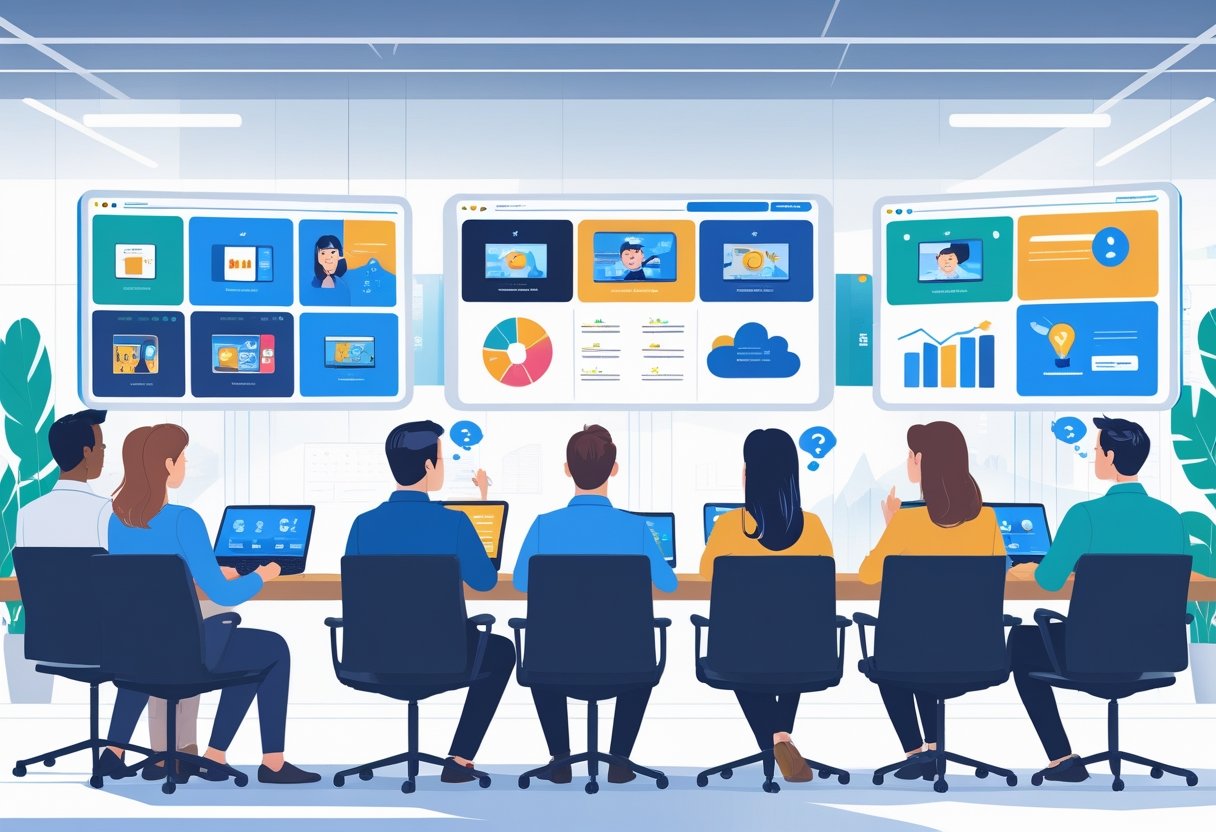
Most platforms provide data visualization tools and analytics dashboards. Businesses can track response patterns and identify trends across multiple test scenarios.
Companies can export data for further analysis or integration with existing research tools.
In what ways can simulated audience testing impact content development processes?
Content creators can test different messaging approaches before finalizing materials. Synthetic audiences provide feedback on tone, clarity, and appeal across target demographics.
Teams can iterate on content concepts rapidly without traditional focus group delays. This acceleration allows for more experimentation and refinement during development phases.
Simulated testing helps identify which content elements resonate most with specific audience segments. Writers and designers can optimize their work based on predicted audience reactions.
Content strategies can be validated before publication or campaign launch. Teams reduce the risk of poor reception by testing materials with virtual audiences first.
What methodologies are used in audience evaluation through simulation software?
LLM models are prompted to mimic specific personas for qualitative research simulation. These models conduct in-depth interviews and ethnographic research tasks.
Synthetic data generation replicates quantitative survey results using representative samples. The methodology mirrors traditional market research approaches with AI-powered respondents.
Multi-agent systems create complex interaction scenarios between different user types. These agents simulate real-world social dynamics and group decision-making processes.
Machine learning algorithms analyze patterns from existing audience data to build accurate simulations. Deep learning technologies enhance the precision of behavioral predictions and responses.
Latest Blogs
Related Blogs
Explore expert tips, industry trends, and actionable strategies to help you grow, and succeed. Stay informed with our latest updates.
Companies today need to test their marketing messages faster than ever before to stay competitive. Traditional message testing methods can take weeks and cost thousands of dollars, making it hard for businesses to adapt quickly to changing markets.
AI persona testing is transforming how businesses understand and optimize their artificial intelligence systems by simulating real user interactions across different personality types and behavioral patterns.
.png)